

Quick answer
Serious hot air balloon accidents in Cappadocia remain statistically rare but have occurred, with fatal incidents in 2009, 2013 and 2024 prompting successive waves of regulatory reform. Turkey's Civil Aviation Authority now mandates stricter pilot licensing, weather protocols and maintenance standards. Most accidents stemmed from adverse weather decisions, pilot error or mechanical failure rather than systemic design flaws in the balloons themselves.
Between 2007 and 2024, Cappadocia recorded fewer than ten fatal balloon incidents despite hosting more than two million passenger flights across that span. The most consequential turkey hot air balloon accident occurred in February 2013 when a balloon struck a hillside during descent, killing three tourists and injuring twenty. Investigators attributed the crash to pilot misjudgment in windy conditions and insufficient pre-flight weather assessment. A 2009 incident that killed two passengers was linked to a collision with high-voltage power lines during an emergency landing, while a 2024 crash resulted from a sudden downdraft that forced the basket into rocky terrain. Each incident triggered regulatory tightening. After 2013, Turkey's Directorate General of Civil Aviation imposed mandatory anemometer checks before every launch, reduced maximum wind-speed thresholds from fifteen to ten knots, and required all commercial pilots to hold airline transport pilot licenses with at least five hundred logged balloon hours. Operators must now file digital flight plans with real-time GPS tracking, and ground crews monitor meteorological data from multiple stations across the valley. Insurance minimums were raised, and any operator with two safety violations in a calendar year faces license suspension. Weather remains the dominant variable in balloon safety incidents in Cappadocia. The region's topography creates unpredictable wind shear at dawn, the only time balloons are permitted to fly. Thermal currents rising from the valleys can shift within minutes, and pilots must balance passenger experience against conservative abort decisions. Post-2013 protocol requires cancellation if wind exceeds ten knots at any altitude or if visibility drops below five kilometers. Mechanical failures—burner malfunctions, envelope tears—account for fewer than fifteen percent of recorded incidents, and modern inspection regimes require quarterly envelope integrity tests and annual burner overhauls. The regulatory framework now aligns with European Aviation Safety Agency standards, a shift driven by tourism industry pressure and insurance underwriters. Travelers booking balloon flights can verify operator compliance through the Civil Aviation Authority's public registry, which lists active licenses, pilot credentials and inspection histories. Understanding the turkey hot air balloon accident record and the reforms it produced allows visitors to make informed decisions rather than avoiding the experience outright.
“Weather remains the dominant variable in balloon safety incidents in Cappadocia, with thermal currents capable of shifting within minutes.”
Understanding Turkey Hot Air Balloon Accident Statistics and Oversight
Cappadocia hosts one of the world's most active hot air balloon regions, governed by rigorous civil aviation oversight to maintain passenger safety. Statistics indicate that incidents remain rare despite the high volume of daily flight operations.
DGCA oversight
The Directorate General of Civil Aviation (DGCA) monitors all balloon flights in Turkey, enforcing strict meteorological and operational standards.
Daily flight volume
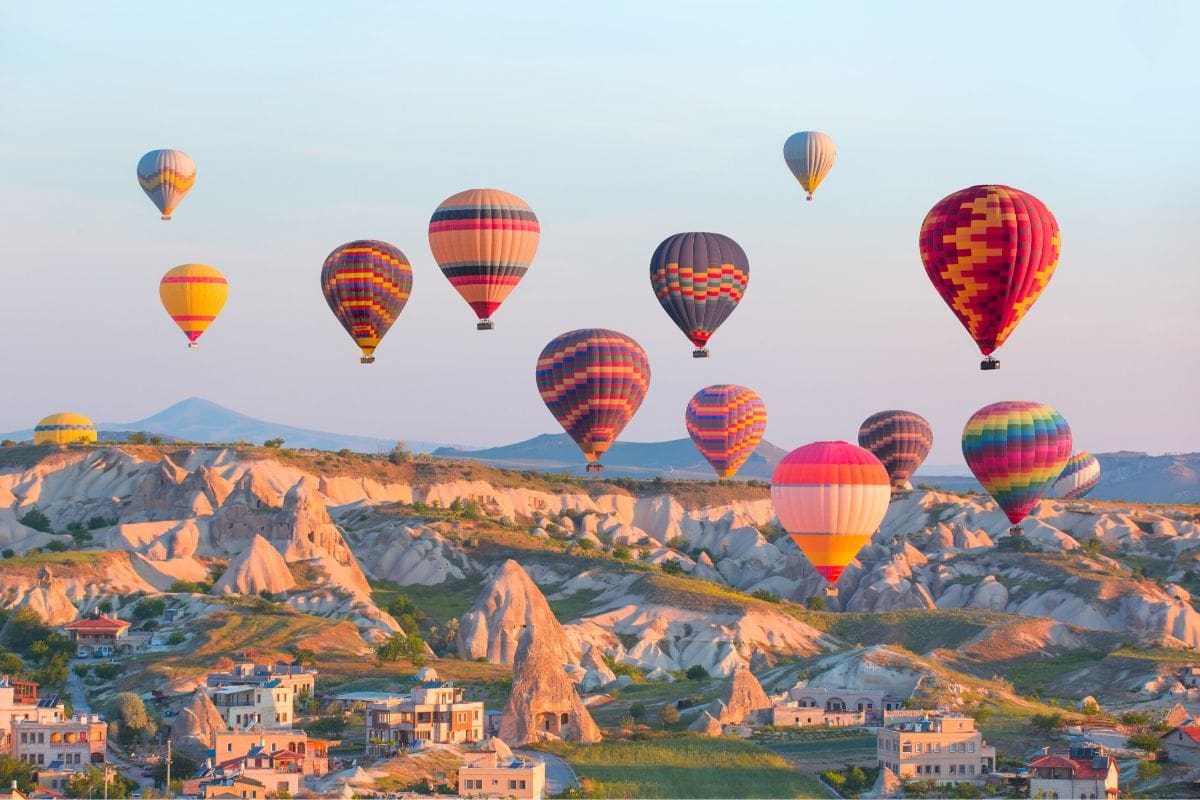
Cappadocia frequently sees over 100 balloons in the air simultaneously during peak season, supported by sophisticated air traffic management.
Pilot certification requirements
Pilots must hold commercial licenses and undergo recurring proficiency checks to operate in the region.
Strict weather protocols
Flights are prohibited if wind speeds or visibility levels fall outside of safety parameters defined by the DGCA.
Incident reporting transparency
All aviation incidents are investigated by official transport authorities to identify causes and mandate corrective safety measures.
Equipment inspection standards
Balloons must undergo regular maintenance and airworthiness inspections as mandated by national civil aviation regulations.
Mistakes to Avoid When Booking to Prevent a Turkey Hot Air Balloon Accident
Most hot air balloon accidents in Cappadocia stem from poor operator choices rather than inherent flight risks. Understanding how to verify a company's credentials can prevent tragedy.
Booking the cheapest operator without license verification
Check that the company holds a valid Turkish Civil Aviation Authority license and that pilots have current certifications. Request documentation before paying.
Assuming all Cappadocia balloon companies meet the same safety standards
Research the operator's safety record and ask how long they have been operating. Newer or unlicensed companies may cut corners on maintenance and pilot training.
Ignoring weather-related cancellations as operator inconvenience
Reputable operators cancel flights when conditions are unsafe. If a company insists on flying despite poor weather forecasts, this is a red flag indicating they prioritize profit over passenger safety.
Failing to confirm pilot experience and flight hours
Ask how many hours your assigned pilot has logged in Cappadocia specifically. The region's unique wind patterns and terrain require local expertise that general ballooning experience does not provide.
Trusting online reviews alone without checking official certifications
While reviews offer insight, they cannot replace verification of insurance coverage, maintenance records, and regulatory compliance. Contact the Turkish Directorate General of Civil Aviation to confirm operator status.
Safety Checklist Before Your Turkey Hot Air Balloon Accident Risk Assessment
Reduce risk by verifying operator credentials and understanding pre-flight protocols before booking.
-
Confirm the operator holds a valid SHGM license — Turkish civil aviation authority licensing ensures minimum safety standards are met.
-
Request proof of third-party liability insurance — Comprehensive coverage protects passengers in the event of an incident.
-
Ask how weather cancellations are communicated — Clear protocols indicate professional risk management and operational discipline.
-
Verify the pilot's flight hours and certification — Experienced pilots with documented training reduce accident probability.
-
Check that pre-flight safety briefings are mandatory — Structured briefings ensure passengers understand emergency procedures before takeoff.
-
Review the company's maintenance log transparency policy — Operators willing to share maintenance records demonstrate accountability and equipment care.
-
Confirm the basket has a maximum passenger limit — Adhering to weight restrictions prevents overloading and maintains flight stability.
Check availability
Safety FAQs regarding turkey hot air balloon accident concerns
Everything you need to know about turkey hot air balloon accident